Solar Power Plants
Solar power plants harness the abundant energy of sunlight to generate electricity on a large scale. These plants typically consist of several key components:
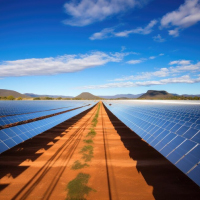
- Solar Panels (Photovoltaic Modules): Solar panels are the heart of a solar power plant. They contain photovoltaic cells that convert sunlight into direct current (DC) electricity through the photovoltaic effect.
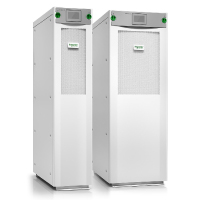
- Inverters: Inverters are used to convert the DC electricity generated by the solar panels into alternating current (AC) electricity, which is compatible with the electrical grid and most appliances.
- Mounting Structures: Solar panels are mounted on structures, such as racks or frames, to support them and optimize their exposure to sunlight.
- Tracking Systems (optional): Some solar power plants incorporate tracking systems that adjust the orientation of solar panels throughout the day to maximize sunlight exposure and electricity generation.
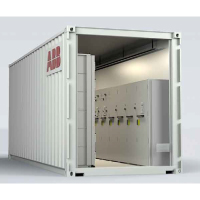
- Electrical Infrastructure: This includes transformers, switchgear, and other equipment needed to connect the solar power plant to the electrical grid and ensure efficient transmission and distribution of electricity.
- Control and Monitoring Systems: These systems monitor the performance of the solar power plant, manage electricity production, and ensure safety and reliability.
- Energy Storage (optional): Some solar power plants may incorporate energy storage systems, such as batteries, to store excess electricity generated during peak sunlight hours for use during periods of low sunlight or high electricity demand.
Solar power plants offer numerous benefits, including clean and renewable energy generation, reduced greenhouse gas emissions, and energy independence. They can be deployed in various locations, from large utility-scale installations in remote areas to distributed rooftop installations in urban areas, contributing to the transition to a more sustainable energy future.